


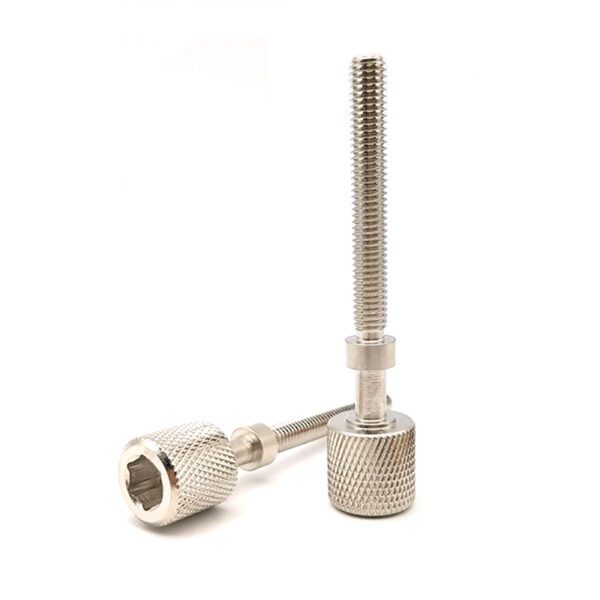
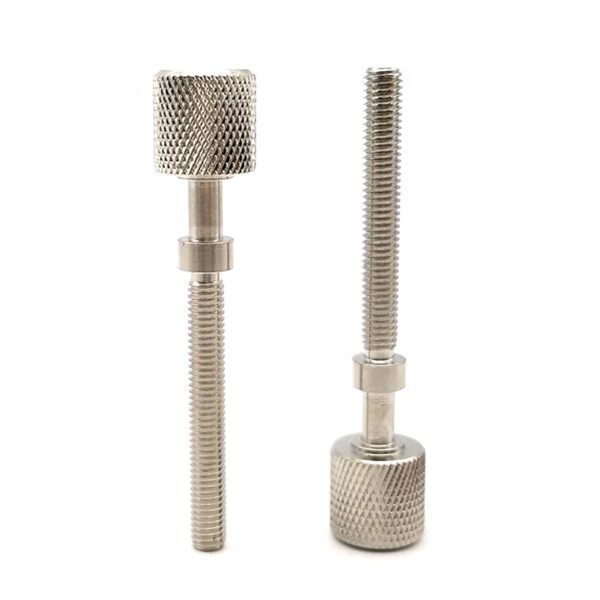
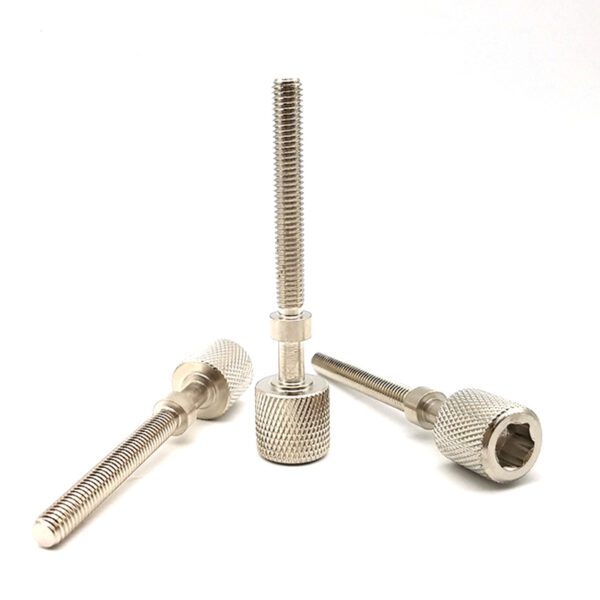
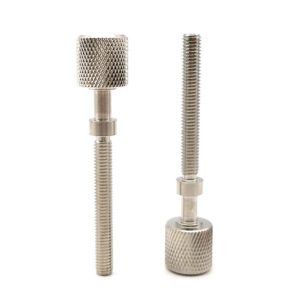
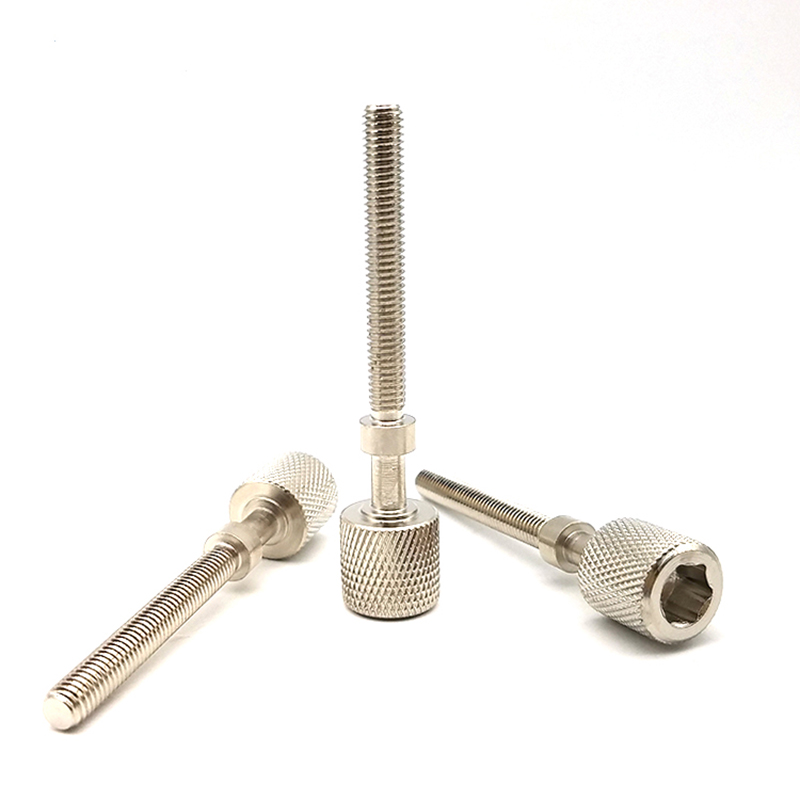
Stainless Steel Knurled Adjusting Bolt Coarse Thread Allen Socket Drive for Precision Positioning Applications
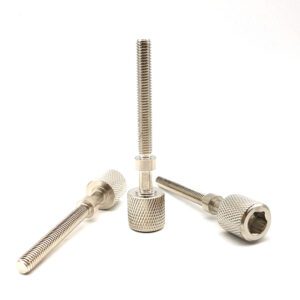
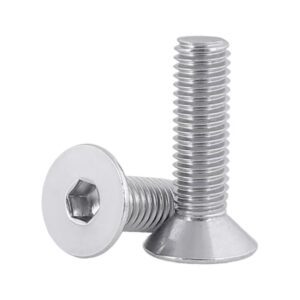
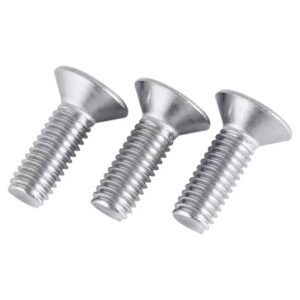
Stainless Steel Knurled Adjusting Bolt with coarse thread and Allen socket drive provides precise positioning, secure adjustment, and durable performance.
- Beschrijving
- Beoordelingen (0)
Beschrijving
What is an Adjusting Bolt?
An adjusting bolt is a specialized mechanical fastener designed for precise positioning, leveling, and fine-tuning of machinery components. Unlike standard bolts that simply hold parts together, adjusting bolts allow operators to modify component positions with exceptional accuracy—often in fractions of a millimeter. They help maintain proper alignment, prevent premature wear, and ensure smooth machinery operation. Many designs feature self-locking threads or nylon patches that secure settings even under vibration.
Materials:
Common materials include:
1045 Carbon Steel – Offers excellent strength and wear resistance for heavy machinery.
S45C Steel – Provides superior toughness after heat treatment for jigs and tooling.
304 Stainless Steel (SUS304) – Delivers outstanding corrosion resistance for food processing, electronics, and outdoor environments.
SS400 Steel – A general-purpose structural steel for standard non-critical applications.
Q235 Carbon Steel – An economical grade for light-duty use.
High-strength Plastics – For electrical insulation, chemical resistance, or non-marring contact surfaces.
Surface Treatments:
Common finishes include:
Black Oxide Coating – Mild corrosion protection with improved lubricity for indoor use.
Electroless Nickel Plating – Exceptional corrosion resistance and hardness for electronics and aerospace.
Zinc Plating with Chromate – Sacrificial protection with decorative finish for indoor applications.
Trivalent Chromate – Environmentally friendly option for automotive sectors.
Hot-dip Galvanizing – Thick, rugged protection for marine and construction use.
Phosphate Coating – Improves thread lubrication and reduces galling.
Passivation – For stainless steel, restores natural oxide layer for maximum corrosion resistance.
Specifications:
Thread Sizes – Metric M3 to M64, imperial #4 to 2-1/2 inches.
Lengths – Standard from 6 mm to 300 mm, custom available.
Standards – ISO (DIN/GB), UNC, UNF, BSW, and JIS.
Head Styles – Hexagonal, socket, square, pan, and flat.
Point Styles – Flat, cone, cup, dog, and ball points.
Tolerance – Typically 6g for consistent fit and smooth adjustment.
Application Fields:
Machine Tools – Leveling bases and aligning guide rails.
Automotive – Positioning in assembly jigs and welding fixtures.
Aerospace – Critical for avionics, landing gear, and engine mounts.
Semiconductors – Wafer handling and cleanroom automation.
Medical Equipment – Surgical tables and diagnostic machines.
Food Processing – Conveyor leveling and cutting knife alignment.
Construction – Leveling beams and securing HVAC equipment.
Renewable Energy – Solar trackers and wind turbine orientation.
Excellent Case Study:
Polestar, the premium electric vehicle manufacturer, faced a production challenge at its Chengdu facility. The battery module positioning fixtures on the assembly line required extreme precision, as even a 0.1 mm deviation could compromise thermal management and vehicle safety. However, the existing adjusting bolts suffered from thread galling and loosening under vibration, causing frequent recalibration and costly downtime.
Polestar collaborated with a precision fastener supplier to develop a custom adjusting bolt tailored for EV production. The solution used S45C steel with induction-hardened threads, electroless nickel plating with a PTFE lubricant overlay for smooth adjustment, fine-pitch M20 threads for enhanced precision, and a nylon patch locking mechanism to maintain consistent torque.
The new bolts eliminated galling completely, extended maintenance intervals from weekly to quarterly, and reduced downtime by over 70%. The solution is now deployed across all Polestar assembly lines worldwide.
Frequently Asked Questions:
Q1: How do I choose the right material?
For indoor general use, choose carbon steel with black oxide. For humid or food-contact environments, choose 304 stainless steel. For electrical insulation, use plastic.
Q2: What is prevailing torque?
It means the bolt provides locking resistance throughout threading via nylon patches or distorted threads, preventing loosening under vibration.
Q3: How often should adjusting bolts be replaced?
Inspect monthly. Replace if threads are damaged, locking torque diminishes, or corrosion appears.
Q4: Can adjusting bolts be used outdoors?
Yes. Choose 304 stainless steel with passivation or hot-dip galvanized carbon steel.
Q5: What accuracy can I expect?
Standard bolts offer 0.1 mm accuracy; precision-ground variants achieve 0.01 mm.
Q6: Are they reusable?
Yes, but nylon patch locking elements typically last 50–100 adjustment cycles before needing reapplication.
Q7: Adjusting bolt vs. leveling foot?
An adjusting bolt threads into a fixed hole to push/pull components. A leveling foot has a swivel base for supporting equipment on uneven floors.



Beoordelingen
Er zijn nog geen beoordelingen.