


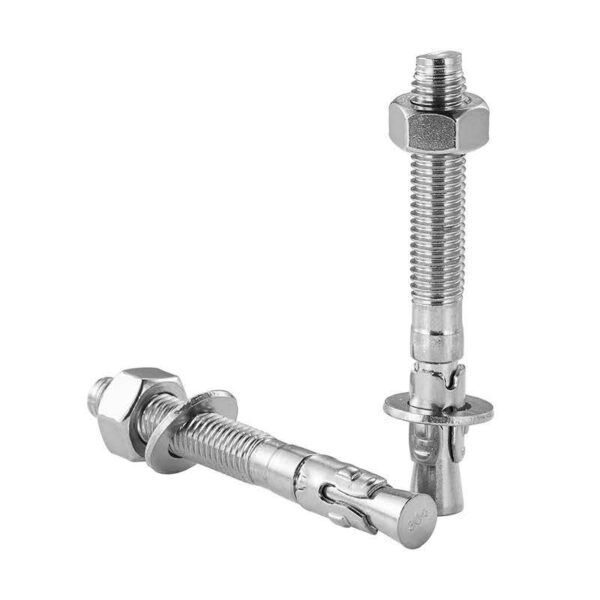
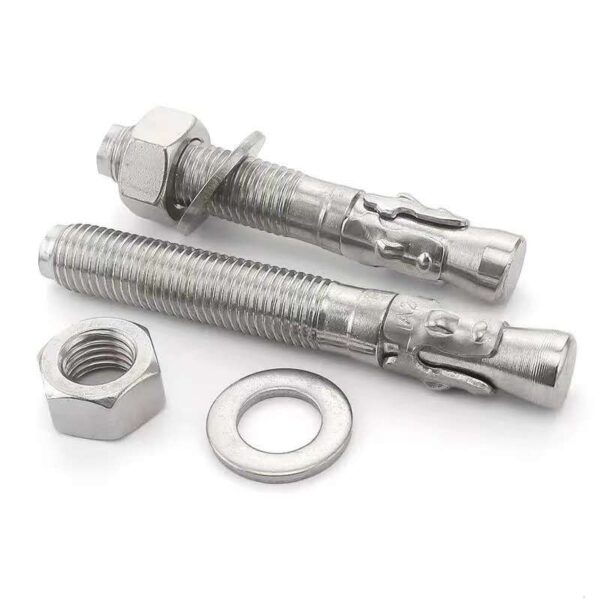
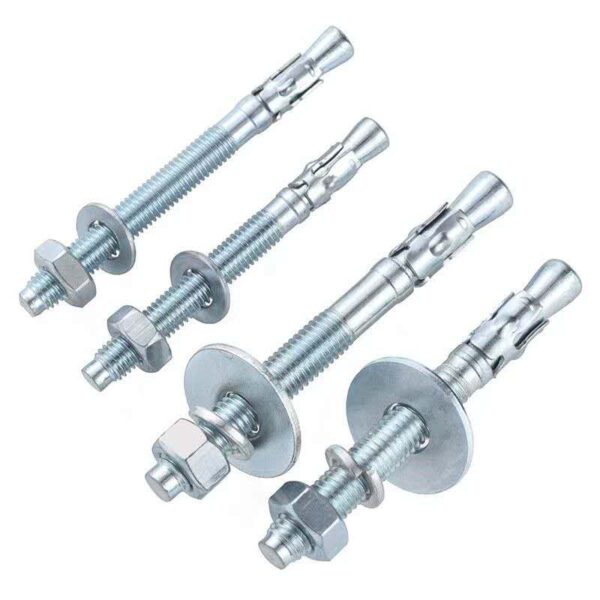
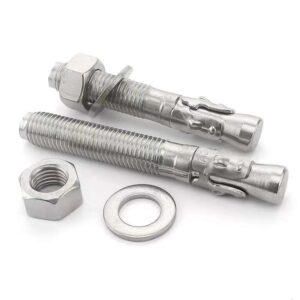
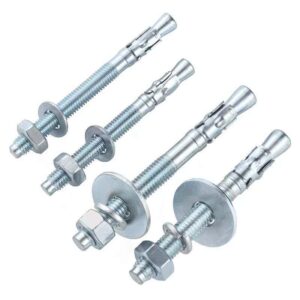
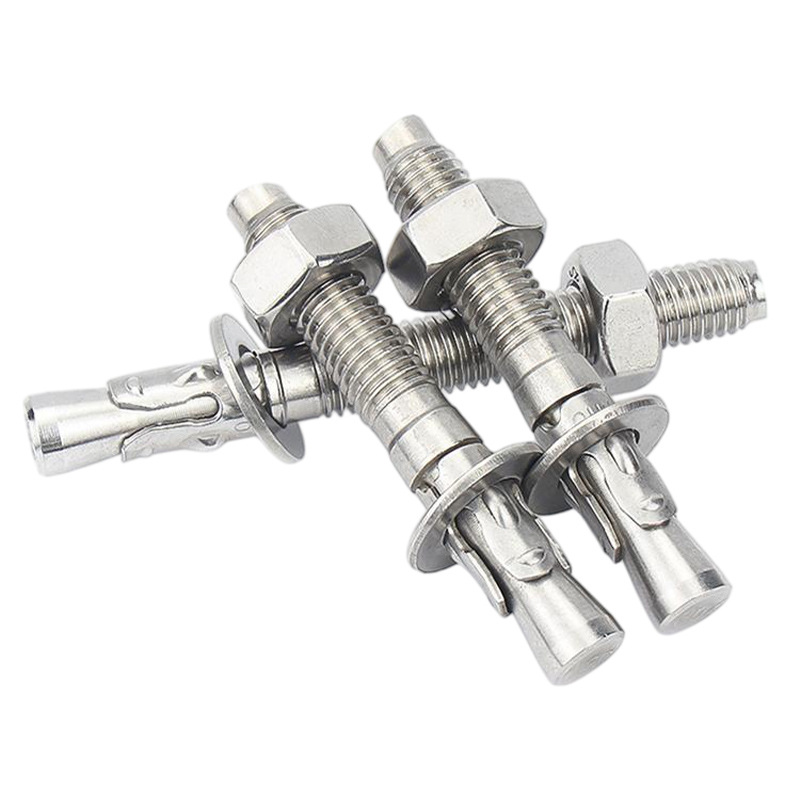
Industrial Grade Through Bolts Expansion Wedge Anchor Bolts for Concrete
0 out of 5
Industrial Grade Through Bolts Expansion Wedge Anchor Bolts for Concrete
Kategorie: Machined Bolts
Schlagwörter: 3/4 anchor bolts, 5/8 through bolts, anchor bolts, anchor bolts for concrete, concrete anchor bolts, expansion anchor bolts, machined nut, Machined Nuts, machining nut, Machining Nuts, metal anchor bolts, special nut, Special Nuts, stainless steel anchor bolts, stainless steel through bolts, threaded anchor bolts, through bolt, through bolts, through bolts for wood, wedge anchor bolts
- Beschreibung
- Bewertungen (0)
Beschreibung
What Are Through Bolts?
Through bolts are a type of mechanical fastener designed to clamp materials together by passing completely through all the layers being joined. They consist of a threaded bolt and a nut that is tightened on the opposite end from the bolt head. Unlike screws which grip into a material, or bolts that thread into a blind hole, through bolts create a strong, reliable connection by compressing the materials between the bolt head and the nut. This design allows for high clamping forces and is commonly used when joining thick materials or when a detachable joint is required.
Materials
Through bolts are manufactured from a variety of materials, each selected for specific strength and environmental properties:
• Carbon Steel: The most common and cost-effective material, offering high strength for general construction and industrial use.
• Stainless Steel: Provides excellent corrosion resistance, making it ideal for outdoor, marine, and food processing applications. Common grades include 304 and 316.
• Alloy Steel: Often heat-treated for high-stress applications requiring superior tensile strength, such as in heavy machinery and structural steel connections.
• Galvanized Steel: Carbon steel coated with a layer of zinc for moderate corrosion protection, frequently used in outdoor construction.
• Brass: Offers good corrosion resistance and electrical conductivity, often used in plumbing and electrical applications.
Surface Finishes
The surface finish is applied to enhance durability, corrosion resistance, and sometimes appearance:
• Plain (Black): No coating; used in indoor, dry environments.
• Zinc Plated: A common, economical finish that provides a basic level of corrosion resistance for indoor and light outdoor use.
• Hot-Dip Galvanized: A thick, durable zinc coating applied by dipping the bolt into molten zinc. This is standard for heavy outdoor and marine construction.
• Mechanical Galvanized: A zinc coating applied without heat, used to prevent hydrogen embrittlement in high-strength bolts.
• Passivated: A chemical treatment for stainless steel to remove free iron and enhance its natural corrosion-resistant oxide layer.
Specifications
Through bolts are defined by several key specifications:
• Diameter: The nominal thickness of the bolt shaft (e.g., 1/4 inch, 1/2 inch, M10, M20).
• Length: Measured from under the head to the end of the bolt, chosen to accommodate the thickness of the materials plus the nut and washer.
• Thread Pitch: The distance between threads (coarse or fine), which affects holding power and installation speed.
• Grade / Class: Indicates the bolt’s tensile strength (e.g., SAE Grade 2, 5, 8 or ISO Property Class 4.6, 8.8, 10.9).
• Head Type: The shape of the head (e.g., Hex, Square, Socket Cap) which determines the tool needed for installation.
Applications
The versatility of through bolts makes them essential across numerous industries:
• Construction: Steel beam connections, securing wooden posts to concrete foundations, and heavy timber framing.
• Infrastructure: Bridge building, highway sign supports, and railway track assembly.
• Industrial Machinery: Assembling heavy equipment, conveyor systems, and motor mounts.
• Automotive: Leaf spring shackles, engine mounts, and chassis components.
• DIY/Furniture: Assembling flat-pack furniture (with barrel nuts), creating sturdy shelving units, and repairing tools.
Excellent Case
A homeowner needed to hang a heavy 50-pound swing set from a large wooden beam in their backyard. Using lag screws risked splitting the wood, so for safety and durability, they used two 1/2-inch galvanized through bolts. They drilled holes completely through the beam and bracket, inserted the bolts with large washers, and tightened the nuts. The through bolts created a strong, weather-resistant connection that safely supports the swing’s dynamic load year after year.
Bewertungen
Es gibt noch keine Bewertungen.