



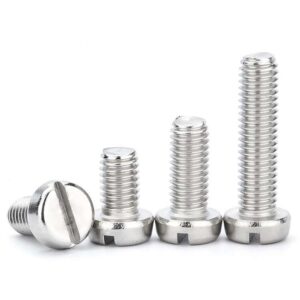
Ultra-Strong Stainless Steel Cheese Head Bolts Slotted Drive Cylindrical Head Machine Screws
Ultra-Strong Stainless Steel Cheese Head Bolts Slotted Drive Cylindrical Head Machine Screws
- Opis
- Opinie (0)
Opis
What are Cheese Head Bolts?
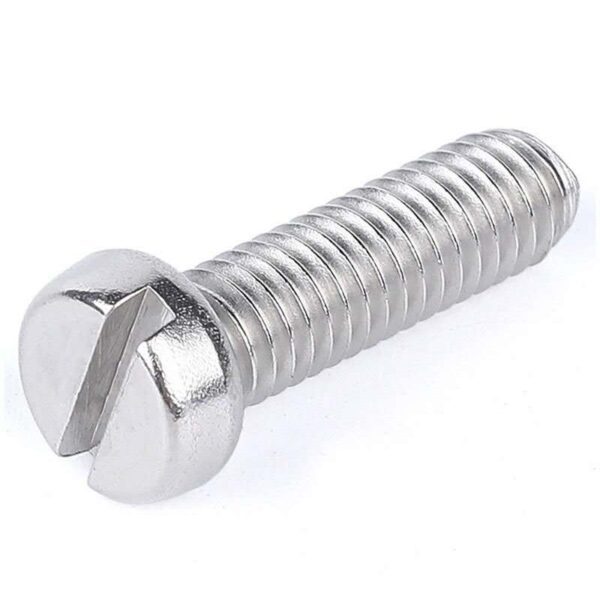
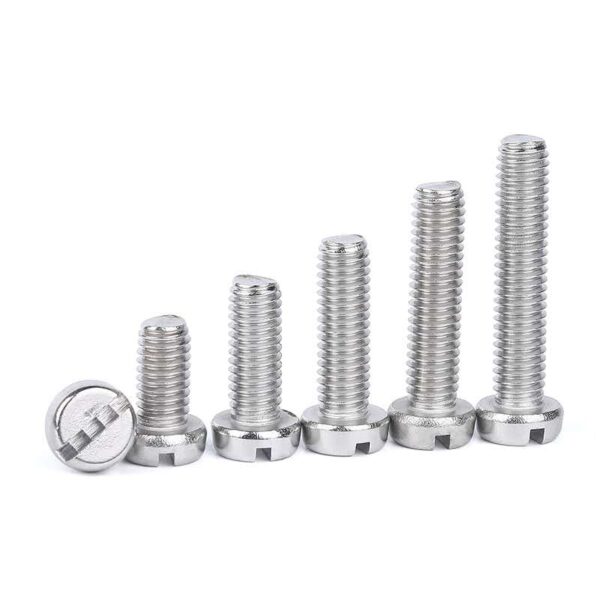
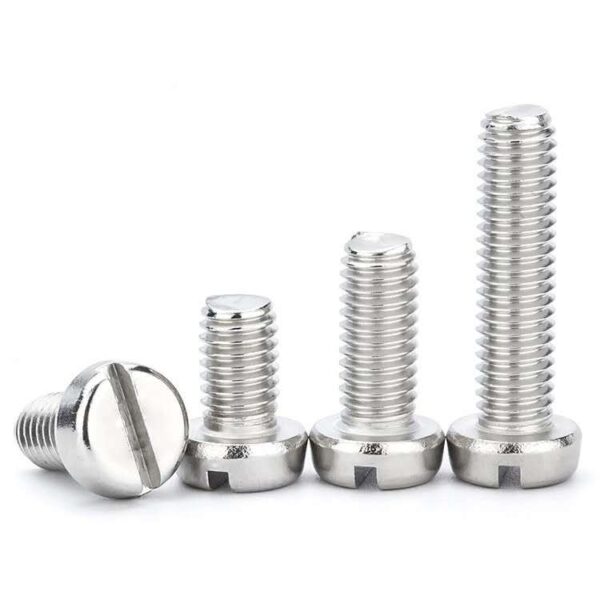
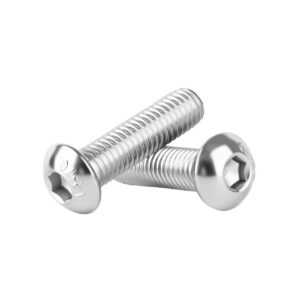
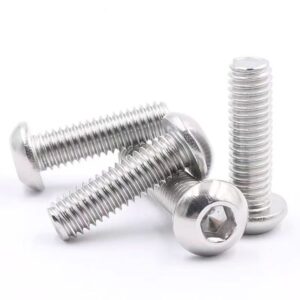
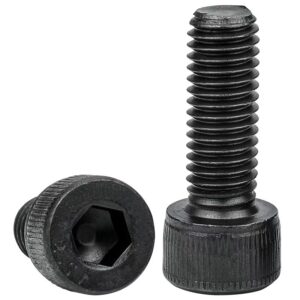
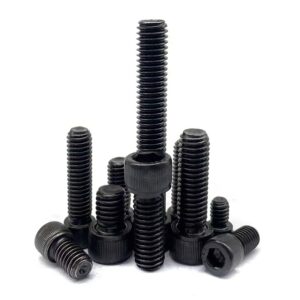
A Cheese Head Bolt (often referred to as a cheese head screw) is a type of fastener characterized by its unique head shape. The head is cylindrical with a flat top and a flat bearing surface . Its diameter is noticeably larger than the shank (the threaded shaft), and its height is relatively high compared to other screw head styles. This distinctive shape is said to resemble a traditional wheel of cheese, hence the name .
These bolts are designed to be used with a variety of drive types, including:
Slotted (flat-blade screwdriver)
Cross-recess (e.g., Phillips)
Hexagonal socket (Allen key)
Bi-hexagon socket (12-point)
Torx
It’s important to note that the term “cheese head” refers solely to the shape of the head, not the type of drive it uses .
Materials of Cheese Head Bolts
Cheese head bolts are manufactured from a wide range of materials to suit different environmental conditions and mechanical requirements.
Steel: The most common material for general engineering applications, offering high strength and toughness. They can be further graded by strength (e.g., Grade 4.8) .
Stainless Steel (SS): Used for its excellent corrosion resistance, often in grades like SS316 for more demanding environments .
Brass: Chosen for applications requiring good corrosion resistance and electrical conductivity, often used in electrical equipment .
Titanium: Valued for its exceptional strength-to-weight ratio and excellent corrosion resistance, often found in high-performance and aerospace applications .
Alumina (Ceramic): An advanced material used for its extreme hardness, electrical insulation properties, and ability to withstand very high temperatures and corrosive chemicals .
Nickel Alloys: Used in high-temperature aerospace applications, such as in engines, where extreme heat resistance is required .
Surface Treatment of Cheese Head Bolts
Surface treatments are applied to enhance corrosion resistance, reduce friction, or improve appearance. Common finishes include:
Plain/Unfinished: No additional coating, typical for some brass and stainless steel fasteners .
Electroplating: Applying a thin metal layer for protection. Common platings include zinc, cadmium, copper, and brass . Cadmium plating is noted for specific high-temperature aerospace use .
Passivation: A chemical treatment used for stainless steel to remove free iron and enhance the natural corrosion-resistant layer.
Chemical Films: Specific finishes for high-performance alloys, often designated by codes (e.g., code letters X or Y) to indicate maximum service temperatures .
Specifications of Cheese Head Bolts
Cheese head bolts are produced according to various international and national standards. Key specifications include:
Diameter and Pitch: Thread sizes are typically designated by their nominal diameter and pitch.
Metric (e.g., M3 x 0.5): An M3 diameter with a 0.5mm thread pitch .
Metric (e.g., M6 x 1): An M6 diameter with a 1.0mm thread pitch .
Imperial (e.g., 1/4″-20): A 1/4-inch diameter with 20 threads per inch .
Length: Specified as the length of the shank below the head, e.g., 5mm, 20mm, 30mm, 40mm .
Standards: They are manufactured to comply with standards such as:
ISO metric coarse thread
BS 4183:1967 (British Standard)
DIN 65537 (German Standard for aerospace)
Application Areas of Cheese Head Bolts
The cheese head bolt’s design and material versatility make it suitable for a broad spectrum of industries.
General Engineering and Lightweight Structures: A primary area of use, valued for its robust head that provides a good surface for tool engagement and load distribution .
Electrical Equipment: Made from brass or aluminum, these bolts are used where electrical conductivity and resistance to corrosion are needed . Ceramic versions are used for electrical insulation .
Aerospace: High-strength, heat-resistant alloys are used for critical engine and airframe components, often with bi-hexagon sockets for high-torque transmission .
Automotive: Historically and in modern contexts, they are used for engine casings and other assemblies .
High-Temperature and Chemical Environments: Ceramic (Alumina) bolts are ideal for use as fixtures in kilns, furnaces, and chemical processing equipment due to their ability to withstand extreme heat and corrosive substances .
Industrial Fastening: General-purpose fastening in machinery, plant equipment, and steel structures .
Excellent Case: High-Temperature Fixtures in Semiconductor Manufacturing
Scenario: A company manufactures semiconductor wafers, which involves processing silicon wafers in high-temperature furnaces (up to 1200°C) and exposing them to corrosive plasma gases. They need to secure internal components and fixtures within the furnace chamber.
Problem: Standard metal bolts, even stainless steel or nickel alloys, cannot withstand these extreme temperatures for long periods. They would oxidize, creep (deform under stress), and outgas contaminants, ruining the sensitive wafers. Metal fasteners would also react with the corrosive gases.
Solution with Cheese Head Bolts: The engineers specify Alumina (Al₂O₃) Cheese Head Bolts .
Why this is an excellent case:
Extreme Temperature Resistance: With a melting point of 2100°C and a continuous use temperature of 1700°C, the alumina bolts easily handle the furnace environment .
Chemical Inertness: Alumina has “Good” resistance to acids, alkalis, and halogens, meaning it will not react with the corrosive process gases, preventing contamination of the wafers .
Electrical Insulation: As an electrical insulator (volume resistivity >10¹⁴ Ohmcm), the bolt prevents any unwanted electrical arcing or interference with the sensitive plasma fields used in the process .
Mechanical Stability: The high hardness and rigidity (Tensile modulus of 300-400 GPa) of the ceramic ensure the fixture remains stable and does not deform under load at high temperatures .
Head Shape Advantage: The cylindrical cheese head provides a large, flat bearing surface to securely clamp ceramic fixtures without introducing point loads that could cause cracking. The shape is also easy to handle with specialized non-marring tools during assembly and maintenance.
In this application, the unique properties of the alumina cheese head bolt directly solve the critical challenges of temperature, contamination, and electrical interference, making it an indispensable component in advanced manufacturing.

Opinie
Na razie nie ma opinii o produkcie.