


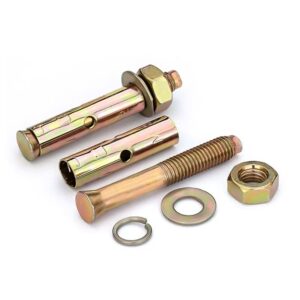
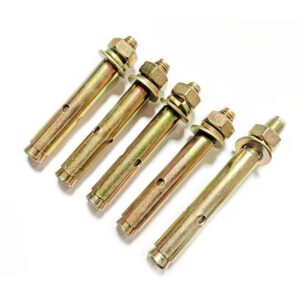
High Quality Heavy Duty Expansion Bolt for Concrete Anti Corrosion Vibration Resistant

High Quality Heavy Duty Expansion Bolt for Concrete Anti Corrosion Vibration Resistant
- Description
- Reviews (0)
Description
What is an Expansion Bolt?
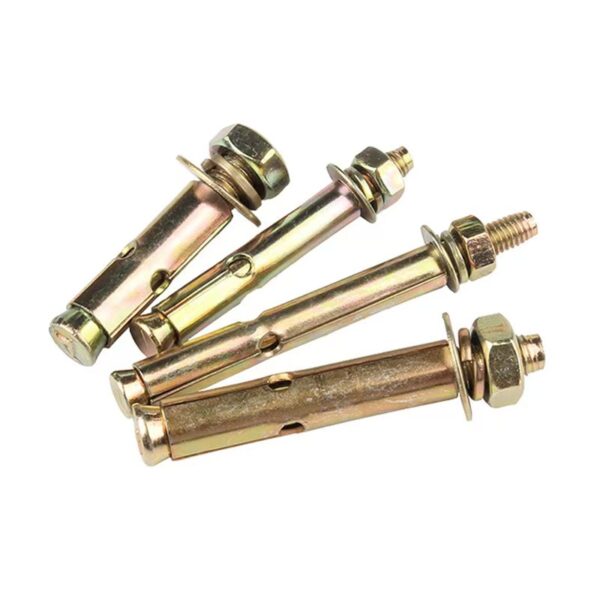
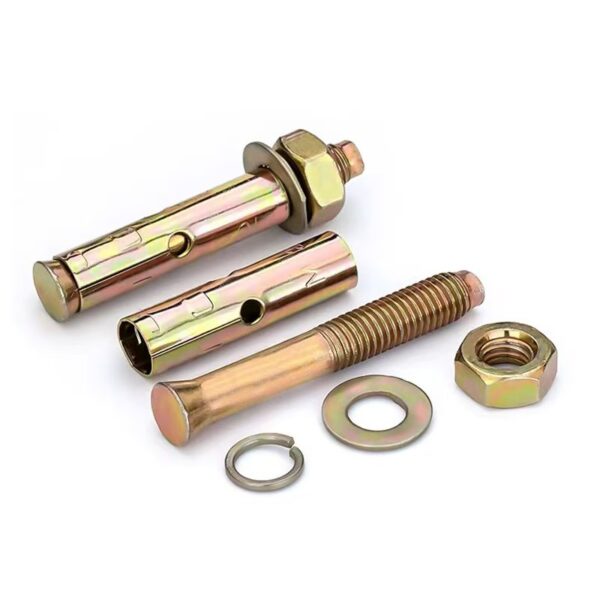
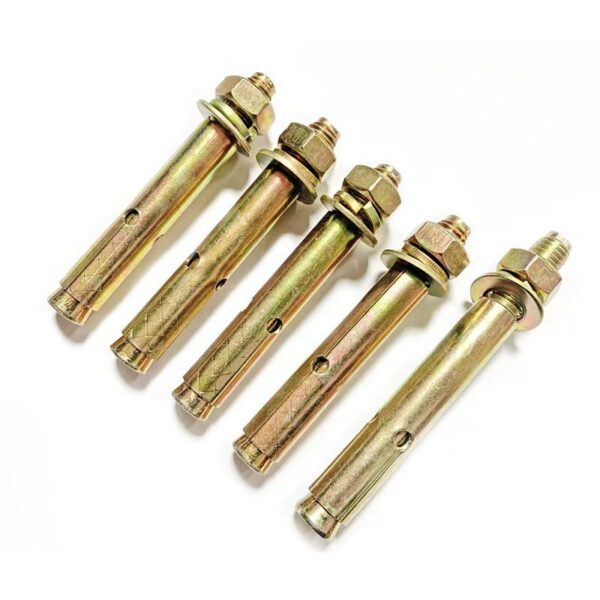
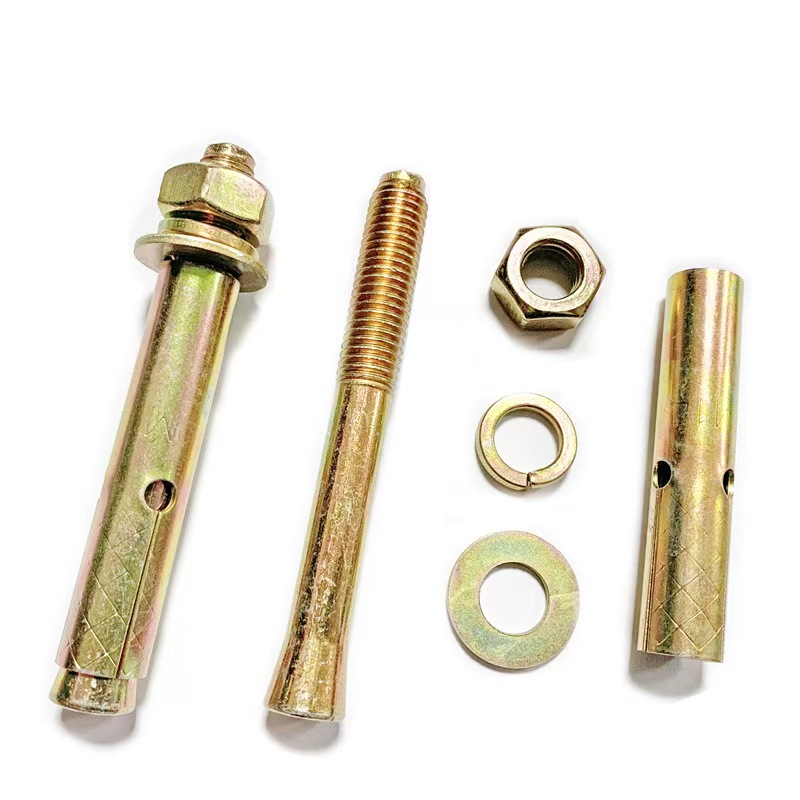
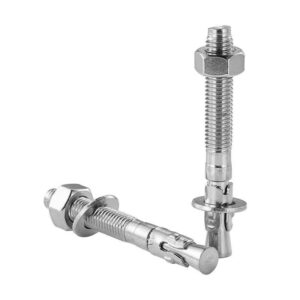
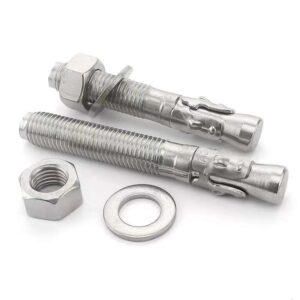
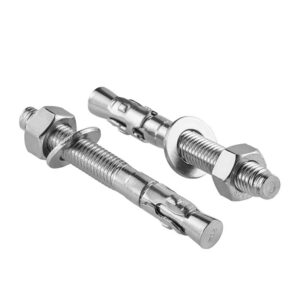
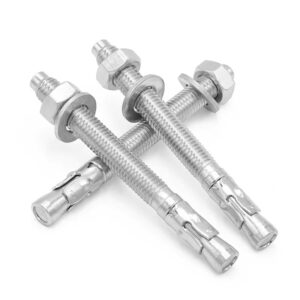
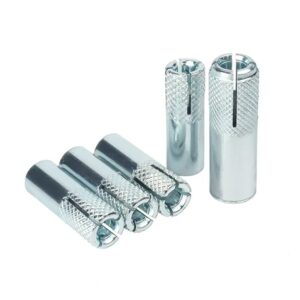
An Expansion Bolt (also known as an expansion anchor or expansion shield) is a mechanical fastener used to attach objects or structures to materials such as concrete, brick, or block. It works on a simple mechanical principle: when the bolt is tightened, a sleeve or shield is forced to expand against the walls of the pre-drilled hole. This creates a high level of friction and gripping force, securing the bolt firmly in place.
Materials
The material determines the bolt’s strength and corrosion resistance.
Carbon Steel: High tensile strength, but prone to rust; often used for indoor applications.
Stainless Steel (SS304, SS316): Excellent corrosion resistance; SS316 is often called “marine grade” for its resistance to salt water.
Galvanized Steel: Carbon steel coated with a layer of zinc to prevent rust; a common middle-ground option.
Brass: Good corrosion resistance and non-magnetic; often used in plumbing or electrical applications where non-sparking properties are required.
Surface Finishes
The finish protects the bolt from environmental factors.
Plain/Black Oxide: A basic coating that offers minimal rust protection; usually for indoor dry use.
Zinc-Plated (Blue/Yellow): Electroplated with zinc; the most common finish for indoor general use.
Hot-Dipped Galvanized: A thick zinc coating applied via dipping in molten zinc; very durable for outdoor use.
Mechanical Galvanized: A cold process application of zinc coating.
Specifications
Expansion bolts are specified by several key dimensions and features:
Diameter: The thickness of the bolt (e.g., 1/4″, 3/8″, 1/2″, or M6, M8, M10).
Length: The total length of the bolt, which determines how deep it goes and how much material it can hold.
Drill Bit Size: The specific diameter of the hole that must be drilled into the base material.
Embedment Depth: The minimum depth the bolt must be inserted into the material to achieve its rated strength.
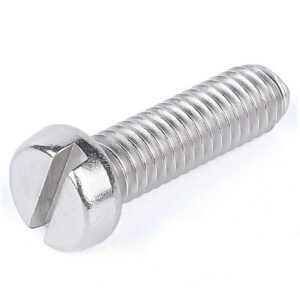
Head Style: Common styles include Hex Head (for wrenches) and Round Head/Phillips (for screwdrivers).
Application Areas
Due to their high holding power, expansion bolts are used in heavy construction and mounting:
Construction: Securing steel columns, handrails, and heavy machinery to concrete floors.
Infrastructure: Mounting highway signs, light poles, and bridge components.
Residential: Hanging garage door tracks, mounting television brackets onto concrete walls, or securing wooden sill plates to foundations.
Industrial: Installing conveyor systems, heavy storage racks, and manufacturing equipment.
Excellent Case Example: Securing a Industrial Robotic Arm
Scenario:
A factory needs to install a heavy industrial robotic arm onto a concrete floor. The robot moves rapidly and exerts significant dynamic forces (torque and vibration) on its base. If the anchor fails, the robot could tip over, causing massive damage and potential injury.
Solution:
The engineers select a 1/2″ x 5″ Stainless Steel (SS316) Heavy-Duty Sleeve Anchor.
Why this choice?
Material (SS316): The factory environment involves occasional exposure to coolants and cleaning agents; stainless steel ensures the bolt does not corrode over time.
Specification (1/2″ x 5″): This size provides the necessary shear and tensile strength to withstand the robot’s dynamic torque. The 5″ length allows for deep embedment into the high-strength concrete floor, anchoring it below the surface layer where the concrete is most stable.
Installation: A 1/2″ diameter hole is drilled into the concrete using a hammer drill to the exact depth required for the anchor. The hole is cleaned of dust. The expansion bolt is inserted through the base plate of the robot, and the nut is tightened with a torque wrench to the manufacturer’s specification. As the nut tightens, the clip inside the anchor expands outward, gripping the concrete.
Result:
The robotic arm is mounted securely. The expansion bolt successfully converts the tightening torque into immense radial pressure against the concrete. This holds the robot rigidly in place despite thousands of repetitive movements per day, ensuring safety and precision in the manufacturing process.



Reviews
There are no reviews yet.