


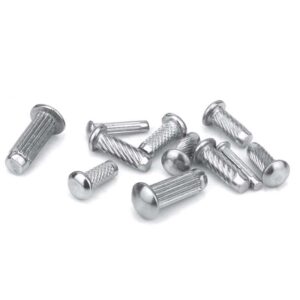
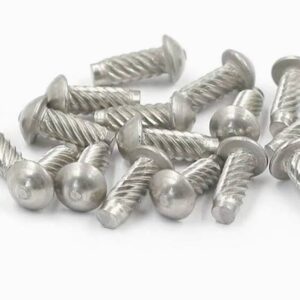
High Strength Round Head Drive Screws Spiral Knurled Solid Rivet
High Strength Round Head Drive Screws Spiral Knurled Solid Rivet
- Description
- Reviews (0)
Description
What Are Drive Screws?
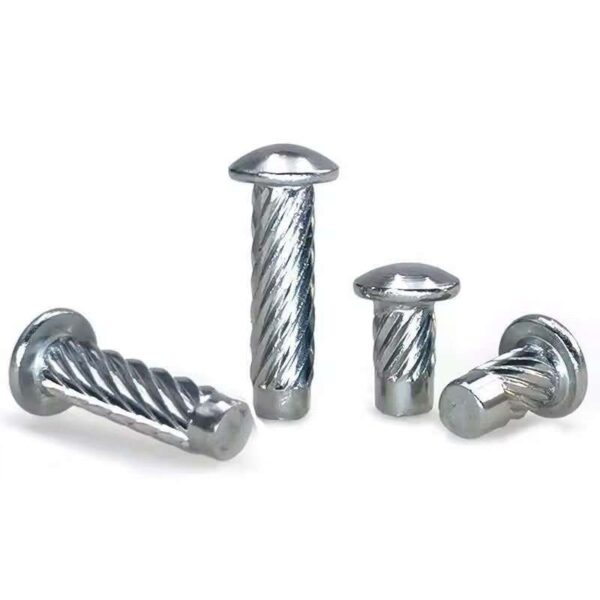
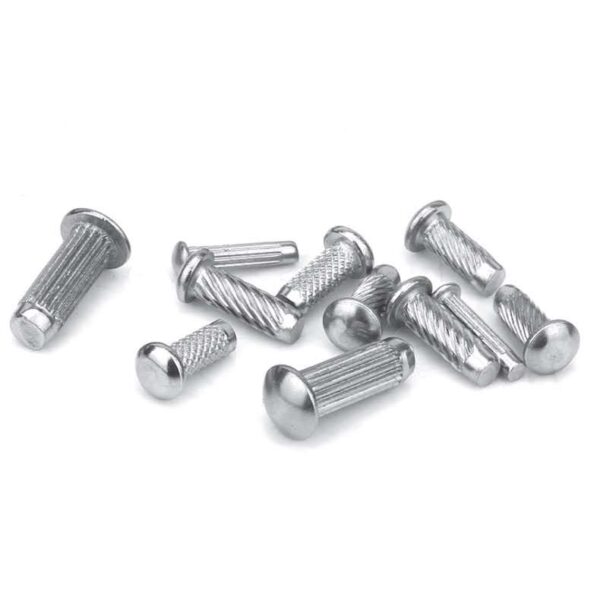
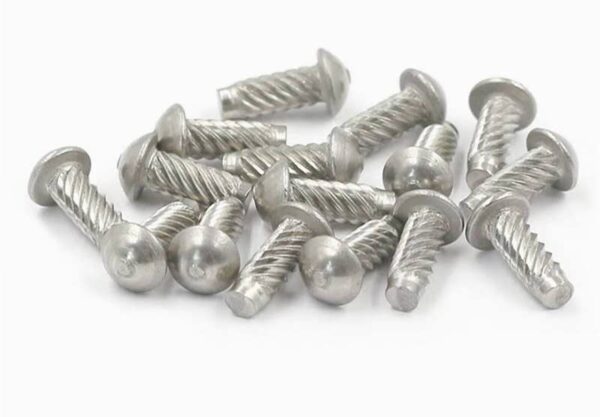
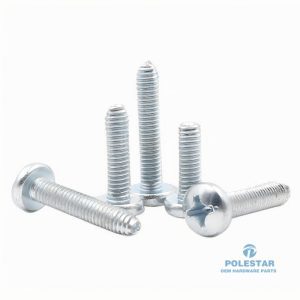
Drive screws, also known as drive bolts or hammer-driven screws, are specialized fasteners designed to be installed by applying force with a hammer or press rather than by rotation with a screwdriver. They feature a unique thread design—typically with a spaced, deep, and often slightly curved profile—that allows them to be driven directly into a pre-drilled hole or ductile material. Once installed, they are generally intended to be permanent and are difficult to remove.
Materials
Drive screws are commonly manufactured from:
Carbon Steel (low to medium carbon for general use)
Alloy Steel (for higher strength requirements)
Stainless Steel (such as 304 or 410 for corrosion resistance)
Brass (for electrical conductivity or marine applications)
Aluminum (for lightweight, non-corrosive applications)
Surface Finishes
Surface treatments are applied to enhance durability, appearance, and corrosion resistance:
Zinc Plating (clear, yellow, or blue chromate)
Hot-Dip Galvanizing
Phosphate Coatings (often used as a paint base)
Cadmium Plating (less common due to environmental concerns)
Nickel Plating
Plain/Unfinished (as-rolled or oiled for some applications)
Specifications
Key specifications for defining drive screws include:
Drive Type: External hammer drive is standard.
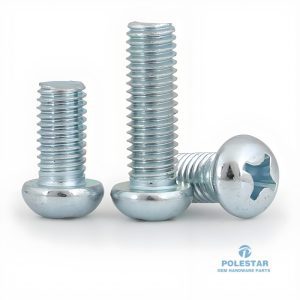
Head Style: Typically round, flat, or countersunk.
Thread Type: Widely spaced, deep threads (e.g., hammer drive thread).
Diameter: Ranges from small (e.g., #4) to large (e.g., 1/2 inch or more), specified in inches or millimeters.
Length: Varies from a few millimeters to several inches.
Point Style: Sharp point for easier starting.
Standards: May conform to specific industry or military standards (e.g., MIL-S, IFI standards).
Application Fields
Drive screws are used in industries requiring permanent, vibration-resistant fastening:
Electrical: Securing nameplates, terminals, and components in electrical panels and devices.
Automotive: Attaching badges, trim, and certain brackets.
Construction: Fastening metal framing, ductwork, and hardware to steel or wood.
Manufacturing: Permanently assembling machinery, jigs, and fixtures.
Railway: Securing components in rail infrastructure.
Signage: Mounting signs and plaques to posts or buildings.
Excellent Case: Mounting an Industrial Nameplate
A manufacturer needed to permanently attach a heavy-duty metal nameplate containing critical wiring diagrams to the interior of a large electrical transformer cabinet. The fastening had to be secure, resistant to vibration from the transformer’s operation, and quick to install on the assembly line.
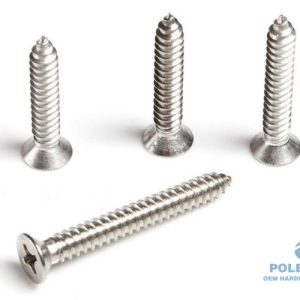
Solution: The team used stainless steel drive screws with a sharp point and a countersunk head. A fixture was created to hold the nameplate in position against the cabinet wall with pre-marked pilot holes. Workers then simply placed the drive screws into the pilot holes and drove them home with a few firm strikes from a hammer. The screws’ deep threads cold-formed into the cabinet’s metal, creating a permanent, high-retention fit.
Outcome: The nameplate was installed in seconds per unit, with zero risk of loosening from vibration. The stainless steel material prevented rust in the potentially humid environment, ensuring the safety information remained legible and securely attached for the decades-long lifespan of the equipment. This method proved far faster and more reliable than using traditional screws or rivets in this specific application.
Reviews
There are no reviews yet.